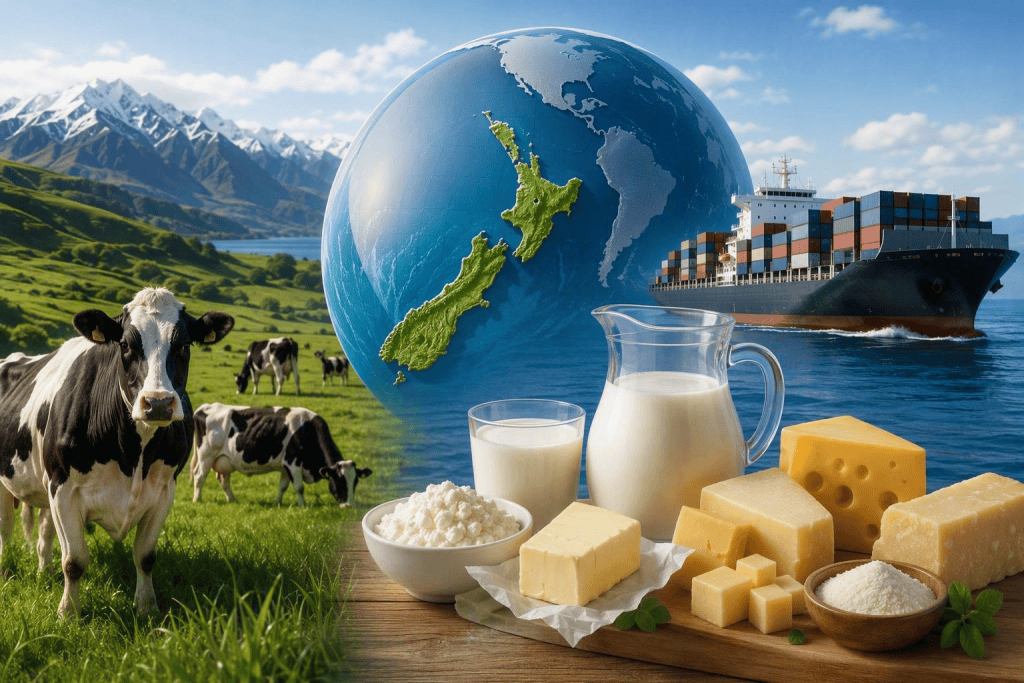
New Zealand dairy is a high-wage, export-intensive industry that converts a natural advantage into durable national income. One in every three dollars that New Zealand earns from goods trade is a dairy dollar. Dairy has delivered more than $9 billion of export revenue growth since 2020.
Dairy has delivered for New Zealand during a difficult period. This delivery has included functioning as an important shock absorber for regional economies across New Zealand, with dairy processors continuing to purchase from thousands of farms and other businesses across a multitude of other industries even during challenging times.
The operating environment for dairy processing is complex. Transforming a highly perishable raw ingredient into high-value exports requires reliable transport infrastructure, abundant and affordable energy supplies, global logistics connectivity, and access to consumers.
Policy frameworks matter. The fewer trade barriers faced, the greater the market options exporters have and the better able they are to realise the true value of these products. Protecting and promoting the evidence-based, outcomes-focused foundations of New Zealand’s food regulatory systems supports not only food safety and suitability but also export competitiveness. Proactive biosecurity readiness minimises risks. Scientifically informed nutrition policy supports dairy’s role in healthy diets at home and abroad. Policy that supports long-term energy and infrastructure adequacy underpins the cost structures and investment confidence for ongoing dairy value growth. Bipartisan approaches, with a view to New Zealand’s long-term success, are equally important across the trade, infrastructure, food regulatory, and biosecurity policy domains.
DCANZ’s Priorities for Government Action document sets out a policy roadmap to protect the success of our industry and enhance its contribution to the country. Click here to download a copy